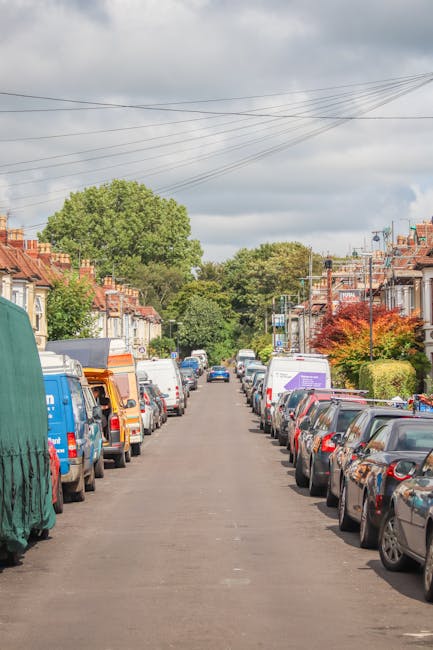
Haringey Council parking rules and Harringay removals compliance
Posted on 22/06/2026
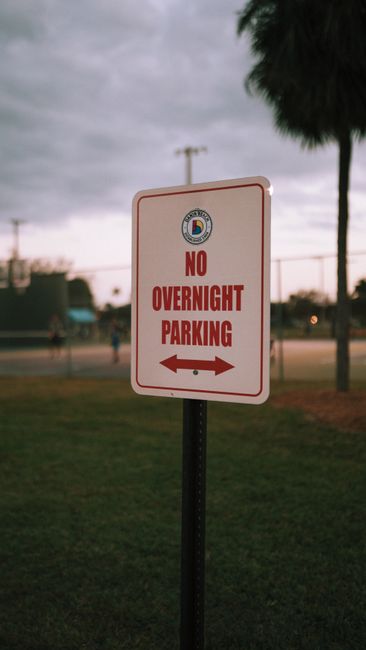
If you are planning a move in Harringay, parking is rarely a small detail. It can be the difference between a calm, tidy removal day and a morning spent circling side streets, moving boxes twice, and wondering whether the van is about to earn a ticket. Haringey Council parking rules and Harringay removals compliance sit right at the centre of that problem. Get them right, and the job feels smoother from the first lift to the last one. Get them wrong, and the whole day can become more stressful than it needs to be.
This guide breaks the subject down in plain English. You will see how parking controls usually affect house moves, flat moves, and commercial removals, what practical compliance looks like on the ground, and how to plan so your crew, neighbours, and vehicle all stay on the right side of the rules. It is written for real-world moving days, not theory. Because let's face it, nobody wants to learn about parking restrictions when the sofa is already halfway out the door.
Why Haringey Council parking rules and Harringay removals compliance Matters
In Harringay, parking is not just about convenience. It affects access, timing, loading safety, neighbour relations, and whether a removals team can work efficiently without unnecessary interruptions. Streets can be busy, bays can be controlled, and a van parked a little too casually can create a chain reaction: blocked access, delayed lifting, and a stressed-out customer standing on the pavement with a kettle in one hand and a tenancy deadline in the other.
For removals, compliance matters because the vehicle is part of the job, not a background detail. A removal van needs legal stopping space, enough room to load safely, and a plan for where it can wait if the property entrance is not immediately usable. If a property is in a controlled parking zone, on a red route, or in a street with narrow access, the move needs to be planned around that reality rather than hoped away.
There is also a neighbour and community angle. Harringay has plenty of compact streets and busy pockets, especially around residential terraces and main roads. A well-managed move respects that environment. It keeps pavements clearer, reduces awkward reverse manoeuvres, and limits the chance of a van blocking driveways or forcing pedestrians into the road. Small thing? Not really. On moving day, small things become very loud.
Good compliance also protects the moving budget. Parking penalties, extended loading times, and last-minute vehicle repositioning can all add cost. If you are comparing options, it is worth reading practical guidance like the guide to hidden removal charges in Harringay and the narrow street access tips for Haringey Ladder furniture removals. Those details often make a bigger difference than people expect.
How Haringey Council parking rules and Harringay removals compliance Works
At a practical level, compliance means matching the move to the local parking conditions instead of treating the street like an empty forecourt. In Haringey, that usually means checking whether the street is controlled, whether loading is allowed at the intended time, whether the van needs to use a bay, and whether any permits, notices, or permissions are needed for longer stays.
For removal work, the key question is simple: can the van stop close enough to the property to load and unload safely and lawfully? If the answer is yes, the job is easier. If the answer is no, the move needs a fallback plan. That fallback may involve a different vehicle size, a second crew member for shuttle carrying, an earlier start time, or a safer loading point nearby.
Most people also underestimate how often the layout of the property affects parking compliance. A first-floor flat with no lift, a shared entrance, a steep front path, or a house on a tight turn all change the logistics. A straightforward van park outside the door may not be realistic. This is why a good mover asks specific questions before the job rather than simply saying, "No problem, mate." That phrase is usually a warning sign, to be fair.
There is a difference between short loading and relaxed parking. Loading is usually about keeping the vehicle in a lawful position for the time needed to move items safely. Parking is a separate issue and may be more restricted. The rules can vary by bay type, street marking, and time of day, so it is wise to treat each location as its own case rather than assume one street is the same as the next.
If you are booking a team for a move, especially a flat move or a same-day job, it helps to pair access planning with a proper service choice. For example, a man with a van in Harringay can suit lighter moves, while fuller household jobs may need a broader team from house removals Harringay or flat removals Harringay. The parking plan should fit the scale of the move, not the other way around.
Key Benefits and Practical Advantages
When parking is handled properly, the benefits are immediate and very visible. The truck does not sit half a street away. The team does not waste time waiting for a bay to clear. Boxes move in a steadier rhythm. And you are less likely to feel that annoying mid-move panic when the clock is ticking and the key handover is getting closer.
- Less risk of fines or delays caused by stopping in the wrong place.
- Safer lifting and carrying because items can be moved from a sensible loading point.
- Better time control on days where every minute counts.
- Lower stress for neighbours and building managers who want the move to be tidy.
- More predictable pricing because delays and re-parking do not quietly inflate the job.
There is also a customer-service angle that often gets missed. A compliant move feels organised. People notice that. If the van is placed thoughtfully, crew members are not weaving through traffic with wardrobes at shoulder height, and the whole move looks like someone has actually thought it through. That is reassuring, especially when you are handing over the keys to your old place and trying not to look too emotional about the empty room.
For people relocating within the borough, this matters even more. If you are comparing local living and moving patterns, you may also find the broader neighbourhood context useful in the pros and cons of living in Harringay and the guide to Harringay's appeal. A move is easier when you already understand the rhythm of the area.
Who This Is For and When It Makes Sense
This topic matters to anyone moving into, out of, or within Harringay and nearby parts of Haringey. But some people need it more urgently than others.
- Flat movers who have limited waiting space outside the building.
- House movers dealing with larger vehicles and more items to unload.
- Students moving in or out between term dates, often on a tight schedule.
- Office relocations where the van may need managed access near commercial premises.
- Last-minute movers who need same-day logistics to work first time.
- Piano or bulky-item customers where the loading distance matters a great deal.
It makes sense to focus on compliance whenever the street space is limited, the building is on a busy road, or the move is likely to involve a longer stop. In practice, that means almost every move in Harringay benefits from a parking check. Even if the road looks quiet at 8 a.m., the situation can change by 10 a.m. once residents, deliveries, and school traffic come into play.
If you are not sure what type of service you need, it can help to compare a few local options first. The pages on man and van Harringay, removals Harringay, and removal services Harringay can help you think through the size of the move and the parking footprint it will require.
Step-by-Step Guidance
Here is the cleanest way to approach a removal when parking compliance is part of the job.
- Check the street conditions early. Look at bay markings, kerb signs, and where a van could reasonably stop without blocking access.
- Assess the moving volume. A few bags and a desk need a different plan from a full household move or office relocation.
- Map the loading distance. Count how far items may need to be carried from van to front door. Ten metres can be fine; fifty metres in rain is another story.
- Decide whether you need a smaller vehicle. Sometimes the smarter choice is a more compact van that can legally fit the street better.
- Plan the time window. Early starts, quieter side streets, and building access slots can make the difference between easy and awkward.
- Communicate with the mover. Share photos, street names, and any restrictions before moving day.
- Prepare the property entrance. Keep hallways clear, reserve lifts where possible, and make sure keys are ready.
- Have a backup. If parking is unexpectedly unavailable, know where the vehicle can wait legally.
A simple habit helps here: walk the route from the van to the property in your head before the day starts. Door, pavement, doorway, stairs, landing, room. It sounds almost too obvious, but that five-minute mental run-through prevents a lot of clumsy surprises later.
If the move involves fragile or unusually heavy items, use the relevant specialist support rather than assuming one approach fits all. A piano removals Harringay booking, for example, needs a far more careful access plan than moving a couple of suitcases. Likewise, larger furniture is often better handled through furniture removals Harringay than treated as a casual add-on.
Expert Tips for Better Results
After enough moving days, a few patterns become very clear. The best outcomes usually come from planning the boring bits properly. Not glamorous, but true.
- Use photos, not just descriptions. A street photo tells a mover more than "it's a narrow road near Green Lanes" ever will.
- Book earlier than you think. Parking planning gets easier when the mover has time to prepare.
- Keep one person responsible for street communication. Too many people trying to direct the van at once causes confusion.
- Protect the exit route. Clear bins, bikes, and loose mats before the crew arrives.
- Check for time-based restrictions. A bay can be usable at one time and not at another.
- Choose the right vehicle size. Bigger is not always better in Harringay. Sometimes a smaller van is the cleverer move.
One small but important tip: if the property has a tricky front garden, a shared driveway, or a high-traffic entrance, mention it twice. Once in the booking note, and once again when confirming the day before. People forget. We all do, honestly.
Another useful habit is to think about the end of the job, not just the start. Where will the van be when the last box is loaded? Where will it stand during the final sweep of the property? If you have a storage stop or split delivery, consider storage in Harringay as part of the logistics rather than as an afterthought.
Common Mistakes to Avoid
The most common mistake is assuming parking is "probably fine." That word, probably, causes more trouble than it deserves. Here are the usual traps.
- Not checking signs properly. A quick glance is not enough in a controlled parking area.
- Underestimating loading time. Especially with stairs, long hallways, or bulky furniture.
- Using the wrong type of vehicle. A van that is too large can force a bad parking decision.
- Failing to brief the mover. No photos, no access notes, no backup plan. That is a shaky start.
- Ignoring neighbours or building rules. Shared blocks can have extra expectations that matter in practice.
- Leaving the job until peak traffic time. Midday around busier roads is rarely ideal.
There is also a money mistake that crops up a lot: people compare quotes without comparing access conditions. A cheap quote for a hard-to-park street may not remain cheap for long if the job runs late, needs extra carrying distance, or hits avoidable delays. If you are weighing up costs, the pricing and quotes page is a sensible place to start, and the cheap same-day removals availability guide may help you judge urgency without panic.
Tools, Resources and Recommendations
You do not need a complicated toolkit to stay compliant, but a few practical items make a noticeable difference.
- Phone camera for taking street and bay photos before the move.
- Printed booking notes if you prefer something physical to hand to the crew.
- Floorplan or room list so items are loaded in a sensible order.
- Labels and tape to speed up unloading and reduce street time.
- Access notes for the building including lift use, entry codes, or concierge rules if relevant.
- Weather awareness because rain changes carrying speed, visibility, and patience. It just does.
For broader support, the most useful site pages are often the ones that help you understand the job from start to finish. The services overview can help you compare move types, while insurance and safety is worth checking if you want extra reassurance around transport and handling. If payment confidence matters to you, the payment and security page is a sensible read too.
And if you are moving on a tight timeline, not every job can wait until next week. In those cases, same-day planning and parking discipline go hand in hand. The page on same-day removals Harringay is especially useful when time is the boss, whether you like it or not.
Law, Compliance, Standards, or Best Practice
This topic touches local parking controls, road safety, property access, and the practical duty to avoid causing obstruction. You do not need to be a transport lawyer to understand the basics, but you do need to approach the move responsibly. In the UK, that normally means following local parking restrictions, observing loading rules, and making sure a vehicle is stopped legally and safely.
For removals, best practice usually means the mover checks the access conditions beforehand, plans the vehicle size accordingly, and avoids risky stopping positions. If a permit, waiver, or timed access arrangement is needed, it should be arranged in advance rather than guessed on the day. That kind of planning is not just tidy. It is the difference between an efficient service and a messy one.
It is also good practice to respect building policies, shared driveways, and communal areas. Some blocks have internal rules that are not written on the street sign but still matter when you are carrying heavy items through shared space. In practical terms, compliance is a blend of council rules, common sense, and courtesy.
If you are choosing a provider, look for transparent communication, sensible scheduling, and a willingness to talk through access constraints. The company should not shrug off parking questions. They should welcome them. That tends to be the sign of an organised operator, and yes, it saves everyone time.
Options, Methods, or Comparison Table
Different types of moves call for different parking strategies. Here is a simple comparison to help you decide what makes sense.
| Move type | Typical access challenge | Best parking approach | Good fit when |
|---|---|---|---|
| Man and van job | Short loading window, tighter streets | Compact legal stop close to entrance | You have a lighter load or a single delivery |
| Flat move | Stairs, limited frontage, shared access | Pre-planned loading point with clear carrying route | You need a fast, organised turnaround |
| House removals | More boxes, bigger furniture, more time outside | Longer parking window and stronger access plan | You are moving a full home |
| Office removals | Building rules, staff movement, business timing | Off-peak scheduling and managed loading zone | You need minimal disruption |
| Bulky-item move | Heavy lifting, careful positioning | Shortest possible carry and clear staging area | You are moving one or two large items |
There is no single best method for every street in Harringay. That is the honest answer. A route that works beautifully for a small van in one road may be hopeless for a bigger vehicle two streets away. Local judgement matters.
Case Study or Real-World Example
Here is a realistic moving-day scenario. A couple in a Harringay flat were leaving on a Friday morning, with a sofa, a bed frame, several book boxes, and a few fragile bits wrapped in blankets. They expected the van to wait directly outside. On paper, that sounded fine. In reality, the street was tighter than they had pictured, and the nearest legal stopping space was a short walk away.
Instead of forcing the issue, the mover changed the plan. The team arrived a little earlier, used the legal space, and staged items in smaller loads. The couple were a bit anxious at first, naturally. But once they saw the route was safe and the loading steady, the mood changed. The move took longer than the most optimistic estimate, but it stayed orderly. No drama, no awkward confrontation, no sudden parking panic.
What did that example show? Three things. First, compliance is not a formality; it shapes the whole job. Second, flexibility is often more valuable than raw speed. Third, good communication before the move prevents half the stress. It was not a perfect day, because real moving days rarely are. But it was manageable, and that matters more.
That kind of planning is especially useful for people combining a move with selling or buying locally. If you are in that situation, the Harringay home selling guide and the Harringay real estate guide can give you useful context on timing and property decisions around the move.
Practical Checklist
Use this before moving day. A quick list is better than a vague memory, especially when the kettle is already packed.
- Confirm the exact moving address and access point.
- Check whether the street has controlled parking or loading restrictions.
- Share street photos with the mover.
- Measure bulky items and note anything unusually heavy or fragile.
- Decide where the van can stop legally and safely.
- Prepare any building entry details, codes, or lift booking slots.
- Clear the hallway, stairs, and front path before the team arrives.
- Label boxes by room to shorten unloading time.
- Have a backup spot in mind if the first parking choice is unavailable.
- Keep your phone charged for coordination on the day.
Quick summary: the safest removal days in Harringay are usually the ones where parking, access, item size, and timing were all thought through together. Not separately. Together.
Get a free quote today and see how much you can save.
Conclusion
Haringey Council parking rules and Harringay removals compliance are not the glamorous side of moving, but they are one of the most important. When you treat parking as part of the moving plan instead of an afterthought, the whole job becomes cleaner, calmer, and far less likely to run into trouble.
The basic idea is simple: check the space, match the vehicle to the street, communicate clearly, and plan for real-world conditions rather than ideal ones. That alone will save you stress. Sometimes a little time, sometimes money, and occasionally a headache that never arrives because you prevented it in the first place.
If you are moving in Harringay soon, take the access question seriously, but not anxiously. With the right preparation, the day can feel organised and surprisingly smooth. And that is a nice feeling, really - especially when the last box is down and the street noise finally fades behind you.