Sustainable removals Harringay donation recycling and reuse tips
If you are planning a move in Harringay, there is a good chance you are also facing the usual pile of things you do not quite want to throw away, but do not really want to carry either. That is where Sustainable removals Harringay donation recycling and reuse tips come in. The idea is simple: make the move lighter, cut waste, and give useful items a second life instead of sending everything to landfill. It sounds straightforward, and mostly it is, but the trick is doing it in a calm, organised way.
This guide walks you through the practical side of donating, recycling and reusing items during a move. You will find step-by-step advice, common mistakes to avoid, and local-minded tips that work well for London moving days, where space is tight and time can disappear fast. Truth be told, a good sustainable move is often just a well-planned one.
By the end, you will know what to keep, what to donate, what can usually be recycled, and how to make the whole process feel less like chaos and more like a proper fresh start.
Table of Contents
- Why sustainable removals matter
- How the process works
- Key benefits and practical advantages
- Who this is for and when it makes sense
- Step-by-step guidance
- Expert tips for better results
- Common mistakes to avoid
- Tools, resources and recommendations
- Law, compliance, standards, or best practice
- Options, methods, or comparison table
- Case study or real-world example
- Practical checklist
- Conclusion
- Frequently asked questions
Why Sustainable removals Harringay donation recycling and reuse tips Matters
Moving house creates waste in a very ordinary, very human way. A chair no longer fits the new flat. A shelf has seen better days. A box full of cables turns up and nobody can remember what half of them do. If you are not careful, all of that becomes mixed waste, which is both expensive in effort and wasteful in outcome.
Sustainable removals are about making better choices before the van leaves the driveway. In Harringay, where many homes are compact and access can be fiddly, the ability to sort items in advance can save time as well as stress. It also tends to make the move feel cleaner mentally. Less clutter. Less lifting. Less last-minute panic.
There is also a practical side that people sometimes overlook. Donation and reuse can reduce the amount you pay to move, because you are not transporting unnecessary items. Recycling can help you dispose of broken or no-longer-needed things responsibly. And reuse, honestly, is the nicest part: something that is surplus to you may be exactly what someone else needs.
One small but useful point: sustainable moving is not only about being environmentally minded. It is also about making the move more efficient. Fewer items means easier packing, quicker loading, and a better sense of control. That matters on a wet Tuesday morning when you are trying to get the kettle, the keys and the sofa out the door at the same time.
How Sustainable removals Harringay donation recycling and reuse tips Works
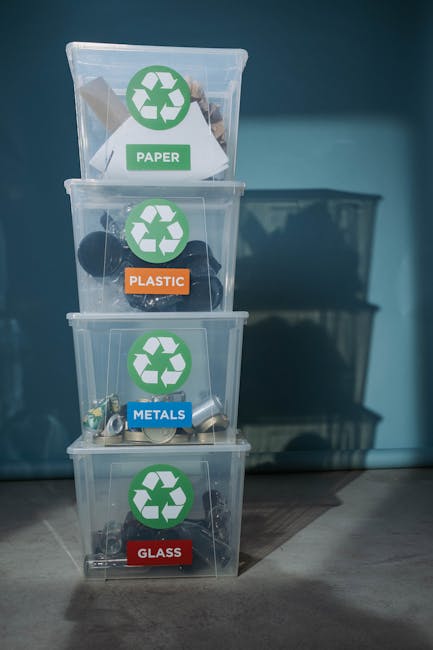
The process works best when you treat the move like a sorting project rather than a packing race. Instead of waiting until the final day, you separate items into clear groups: keep, donate, recycle, sell, and dispose. Simple, yes. But simple is good.
In a typical sustainable move, you start with the most obvious items first. Think duplicates, worn-out furniture, kitchenware you never use, books, clothing, and old storage boxes. Then you move on to the awkward stuff: small appliances, tangled electronics, damaged furniture, and anything that is too bulky for a quick decision. A few minutes spent on each item is usually better than a rushed yes-or-no on the spot.
Donation is for items that are clean, usable, and safe for someone else to take on. Recycling is for materials and goods that can be processed properly through the right waste stream. Reuse is a broad category: it might mean repurposing a box, repairing a table, or passing something to a neighbour. The important thing is to avoid treating all unwanted items the same. They are not the same.
In practice, a sustainable removal often includes a pre-move sort, a separate donation pile, a recycling plan, and careful packing on moving day. If you work with a removal team, ask whether they can help keep these streams separate. That small detail can make a big difference.
Key Benefits and Practical Advantages
The environmental case is easy enough to understand, but the day-to-day benefits are what usually persuade people.
- Less to move: Removing clutter before the move means fewer boxes, fewer trips, and less strain.
- Lower waste: Reusable and recyclable items are diverted from general rubbish wherever possible.
- Better organisation: Sorting items early helps you pack by priority instead of in a blind rush.
- Potential savings: If you move less, you may need less labour, less vehicle space, or less packing material.
- Cleaner handover: Leaving a property tidy is easier when unwanted items have already been dealt with.
There is also a less obvious benefit: sustainable removal can make you more selective. Once you have to decide what deserves a second life, the whole process gets sharper. You stop moving things just because they exist. To be fair, most of us have a few of those items tucked away somewhere.
Another practical advantage is peace of mind. Knowing that usable items are going to donation rather than landfill can make the move feel better, especially if you are clearing a family home or reducing the contents of a long-occupied flat. That emotional layer is real.
Who This Is For and When It Makes Sense
This approach suits anyone who wants a cleaner, more thoughtful move. But it is especially useful if you are in one of these situations:
- You are downsizing and need to reduce volume fast.
- You are moving from a long-term home with years of accumulated belongings.
- You have office or flat-share items that still have life left in them.
- You want to donate furniture, homeware, or clothing rather than bin it.
- You are trying to keep moving costs sensible by lowering the load.
- You care about sustainability but do not have time for a complicated project.
It also makes sense if your new place has different dimensions or storage limits. Many Harringay moves involve stepping from one awkwardly sized space into another, and that is when the "I'll sort it later" approach comes back to bite you. Better to make decisions before the van is packed.
If you only have a few items to move, sustainable removals still help. Even one sofa, one bookshelf and a stack of miscellaneous bits can be handled more responsibly if you plan ahead.
Step-by-Step Guidance
1. Start with a room-by-room sort
Do not try to tackle the whole home in one go unless you enjoy feeling overwhelmed. Room-by-room is calmer and usually quicker. Start with places where clutter collects naturally: cupboards, drawers, loft spaces, under-bed storage, and the back of wardrobes.
Make four clear piles or boxes:
- Keep
- Donate
- Recycle
- Dispose
If an item needs repair before donation, set it aside separately so it does not get forgotten in the shuffle.
2. Be honest about condition
Donation only works when items are in a condition another person could realistically use. A chipped mug might be fine for your own cupboard, but less suitable for passing on. A sofa with heavy wear may need a different route. This part is where people tend to linger a bit too long. Ask yourself: would you accept this item if someone gave it to you today?
If the answer is no, recycling or disposal may be more appropriate. No drama. Just a clear choice.
3. Separate recyclables carefully
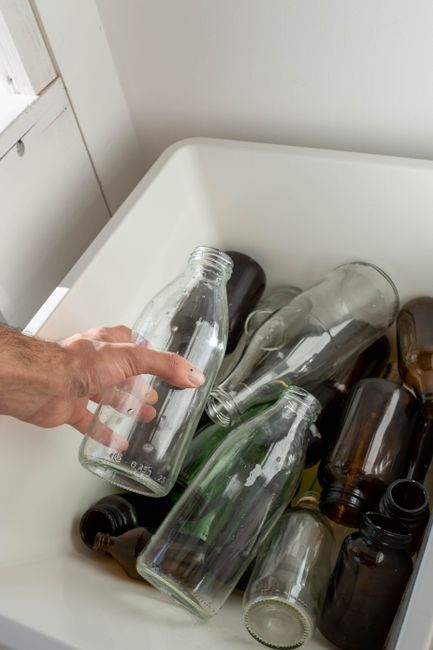
Recycling works best when materials are kept clean and distinct. Flatten cardboard. Keep paper dry. Remove obvious non-recyclable contamination where practical. Put batteries, bulbs, and small electronics aside rather than mixing them with general waste. The more sorted the load, the easier it is to handle responsibly.
Some items need special treatment, especially anything with electrical parts or chemical content. When in doubt, keep those items separate and ask for guidance from the removal provider or the relevant local waste system.
4. Pack donation items together
Donation items should be grouped and labelled clearly. A simple marker pen is enough. Write things like "kitchen," "books," "children's items," or "homeware." This is a tiny step, but it saves time later and reduces the chance of good items being mixed back in with waste.
If you are donating furniture, keep all screws, fixings and assembly parts in one small labelled bag. Tape it securely to the item or place it in a clearly marked box. People forget this all the time. Then the item arrives missing a bit, and suddenly a useful table is just a tabletop with ambitions.
5. Decide what needs collection versus drop-off
Some items are practical to take yourself. Others are not. Large furniture, bulky boxes, or awkward loads are better handled as part of a removal service. If you have a car and time, smaller donation bags can sometimes be dropped off separately. But do not make your moving day harder than it needs to be.
If you are already using a man with van service, ask how best to keep donation, recycling and moving loads separate. That can make the whole job smoother and less chaotic.
6. Confirm the final plan the day before
On the eve of the move, check that your donation bags are ready, recyclable materials are grouped, and anything going with you is packed and labelled. It sounds obvious. It is also the step people forget most often when the evening feels a bit frantic and there is still one drawer full of odds and ends.
A calm final check tends to save a lot of next-day regret.
Expert Tips for Better Results
Experienced movers tend to rely on a few simple habits, because they work.
- Use the "one touch" rule: handle each item once if you can. Decide immediately whether it is staying, going to donation, or being recycled.
- Sort while packing, not after: last-minute sorting at the door is messy and inefficient.
- Keep fragile donations padded: items like crockery or mirrors should be wrapped so they survive transport in decent condition.
- Group by material where possible: cardboard with cardboard, textiles with textiles, e-waste apart from everything else.
- Take photos of valuable items before donating or selling: useful for your own records and surprisingly handy if you are undecided.
Here is a small real-world observation: the best sustainable moves are rarely the most complicated ones. They are the ones where decisions are made early, boxes are labelled properly, and nobody has to ask "is this bin-bound or not?" for the eighth time. A little boring, maybe. Very effective, definitely.
Also, do not over-promise on what can be reused. If an item is borderline, treat it as borderline. That honesty avoids awkwardness later and keeps the system credible.
Common Mistakes to Avoid
People usually do not fail at sustainable removals because they do not care. They fail because the move gets rushed. That is different.
- Leaving sorting until the moving van arrives: this creates pressure and usually leads to waste.
- Mixing donation with rubbish: once mixed, useful items are far more likely to be discarded.
- Sending broken goods to donation: it is tempting, but it creates extra work for charities and recipients.
- Ignoring bulky items early: large furniture and old appliances need more planning than a few bags of clothes.
- Forgetting cables, chargers, and attachments: these small pieces can determine whether an item is actually reusable.
- Assuming all recycling is the same: different materials often need different handling.
One more mistake, and this is a sneaky one: buying more packing materials than you need because you started late. It happens. Suddenly there are rolls of wrap, duplicate boxes, and three kinds of tape. The good news is that a planned move usually needs less of all that.
Tools, Resources and Recommendations
You do not need specialist equipment to make a sustainable move work, but a few simple tools help a lot:
- Label stickers or a marker pen for sorting and identification
- Reusable storage crates for items that will travel well
- Strong cardboard boxes for donation and recycling piles
- Heavy-duty bags for textiles and soft items
- Basic cleaning cloths so donation items look presentable
- Tape and small bags for screws, fittings, and cables
It also helps to keep a simple moving note on your phone. Write down what is being donated, what is being recycled, and what must stay with you. Nothing fancy. Just a practical list that you can check while the kettle boils or while you are standing in a hallway wondering where the last box came from.
If your move includes furniture that is too good to waste, consider whether a dedicated furniture pick up option is more appropriate than trying to squeeze it into the general load. That kind of decision can save both time and effort.
For general planning, the company's recycling and sustainability page is also a useful place to understand the broader approach to responsible moving. And if you are comparing options, checking pricing and quotes early can help you match the right level of service to the amount you actually need moved.
Law, Compliance, Standards, or Best Practice
When you move items responsibly in the UK, the key principle is simple: waste should be handled properly, and items should not be abandoned, fly-tipped, or passed on carelessly. That may sound obvious, but during a busy move it is surprisingly easy for small mistakes to happen.
Best practice usually means:
- separating reusable items from waste as early as possible
- keeping recyclable materials clean and uncontaminated where practical
- making sure electrical or hazardous items are handled appropriately
- using a provider that follows sensible safety and waste-handling procedures
- checking that anything donated is genuinely safe and usable
If you are moving in London, access, parking, and loading can also influence how smoothly sustainable removals work. A careful plan avoids rushed roadside loading and the kind of last-minute scramble that nobody enjoys. If your move needs a vehicle stop or loading arrangement, it is worth reading about Haringey council permits for Harringay removal vehicle loading before the day arrives.
Safety matters too. Heavy furniture, awkward stairways, and packed entrances can create risk if items are moved in a hurry. Good operators should have sensible processes in place, which is why it can help to review their health and safety policy and insurance and safety information if you want extra reassurance.
That is not about being fussy. It is about making sure the move is tidy, lawful, and sane.
Options, Methods, or Comparison Table
There is more than one way to organise a sustainable move. The best choice depends on how much you have, how much time you have, and how much handling you want to do yourself.
| Method | Best for | Pros | Trade-offs |
|---|---|---|---|
| Self-sorted donation and recycling | Small to medium moves with time to plan | Low cost, flexible, good control | Requires effort, space and organisation |
| Removal team with separate donation piles | Busy moves, heavier items, limited access | Less lifting, faster on the day, easier logistics | Needs clear instructions and early planning |
| Furniture-specific collection | Bulky pieces in good condition | Efficient for large items, reduces clutter fast | Only works when items are suitable for reuse |
| Mixed disposal approach | Items that cannot be reused or donated | Practical for damaged or worn goods | Less environmentally positive than reuse-first methods |
For many people, the most effective route is a hybrid one. Keep the reusable items clearly separated, recycle what can be responsibly processed, and leave the awkward heavy lifting to a removal service. Simple, but it works.
Case Study or Real-World Example
Here is a realistic example based on the kind of move people often face in Harringay.
A couple moving from a first-floor flat decided to cut down their belongings before moving day. They had a sofa that was still usable, a spare dining chair, two bags of clothing, a box of books, some old kitchenware, and a stack of packaging from flat-pack furniture. Nothing dramatic. Just the usual accumulation of everyday life.
They started a week early. One evening, they sorted the living room while the radio was on and the windows were open because the flat was a bit stuffy. The usable items were grouped for donation. The cardboard was flattened and tied. Small broken bits went into a separate bag for disposal. A few cables and chargers were placed in a labelled box for later sorting.
On moving day, the van only carried the items they really wanted to keep. The flat felt easier to empty, and there was less of that awful last-minute rushing around while someone stands in the doorway saying, "Have we checked the cupboard above the fridge?"
The main difference was not some complicated green system. It was simply that they made decisions early and kept the flows separate. The result was less waste, less stress, and a much cleaner departure.
Practical Checklist
Use this checklist in the days before your move:
- Sort every room into keep, donate, recycle, and dispose piles.
- Check donation items are clean, safe, and complete.
- Remove batteries, chargers, cables, and accessories where relevant.
- Flatten cardboard and keep paper dry.
- Label boxes and bags clearly.
- Set aside bulky furniture early.
- Confirm whether anything needs a separate pick-up or special handling.
- Review access, parking, and loading needs for the moving day.
- Keep important documents and valuables with you.
- Do a final sweep of cupboards, loft spaces, and under-bed storage.
Quick expert summary: the smoothest sustainable moves are the ones where donation, recycling and reuse are treated as part of the move plan, not an afterthought. Once you do that, everything gets easier. Not perfect, maybe. But a lot easier.
Conclusion
Sustainable removals in Harringay are not about making life harder or turning a move into a moral project. They are about being practical, thoughtful, and a bit more disciplined with the stuff you no longer need. Donation, recycling and reuse tips are useful because they save space, reduce waste, and make the whole process feel more manageable.
Start early, sort honestly, and keep reusable items separate from the rest. If you do that, you will give yourself a better moving day and a cleaner start in your new place. That is really the point.
Get a free quote today and see how much you can save.
And if the boxes are already stacked by the hallway, take a breath. You are probably closer to a tidy, lighter move than it feels right now.
Frequently Asked Questions
What counts as a sustainable removal in Harringay?
A sustainable removal is one where you reduce waste by donating usable items, recycling materials properly, and reusing what you can instead of throwing everything away.
Should I donate furniture before moving day?
Yes, if the furniture is clean, safe, and still in usable condition. Donating early helps reduce the amount you need to move and makes the process less rushed.
What items are best for reuse rather than recycling?
Items that are still functional, structurally sound, and complete are usually best for reuse. This often includes furniture, books, kitchenware, and some home accessories.
How do I know if something should be recycled or thrown away?
If an item is broken, contaminated, or no longer safe to use, recycling or disposal may be the right route. If it can still serve someone else well, donation is usually better.
Can I include donation items with my general removals load?
Yes, but only if they are clearly separated and labelled. Mixing donation items with rubbish can lead to perfectly useful things being discarded.
What should I do with old cables, chargers, and small electronics?
Keep them separate from general waste and sort them carefully. These items often need special handling, especially if they contain batteries or electrical parts.
Is it worth planning sustainable removals if I only have a small flat move?
Absolutely. Small moves often create a surprising amount of waste, and sorting items early can save time, effort, and space on the day.
How far in advance should I start sorting for a green move?
A few days is workable for a small move, but a week or more is better if you have bulky furniture, many rooms, or items to donate.
What is the biggest mistake people make with donation and recycling?
The biggest mistake is leaving it all until moving day. Once the pressure is on, people are more likely to bin items that could have been reused or recycled properly.
Do sustainable removals cost more?
Not necessarily. In many cases, moving fewer items can reduce effort and sometimes lower the overall cost. The exact price depends on the volume, access, and type of service needed.
Can I ask a removal company to help separate reusable items?
Yes. It is sensible to ask in advance how they handle donation, recycling, and bulky items so you know what support is available.
What if I am clearing a home with years of accumulated items?
Take it room by room and start with the easiest categories first. If the job feels too large, focus on sorting before moving rather than trying to make every decision on the same day.
What makes a removal service genuinely sustainable?
A genuinely sustainable service is one that supports reuse where possible, handles waste responsibly, and helps you reduce unnecessary transport and disposal.