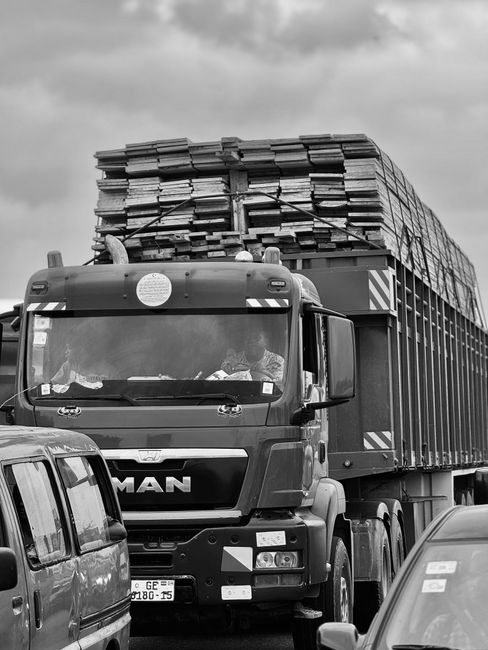
Haringey Council permits for Harringay removal vehicle loading: a practical guide for smoother moving day
If you are moving in Harringay, the loading plan can be just as important as the boxes themselves. Haringey Council permits for Harringay removal vehicle loading can affect where the van stops, how long it can stay, and whether your move runs neatly or turns into a stressful shuffle on the pavement. Truth be told, this is one of those details people often leave until the last minute, then suddenly realise the road outside is tighter than they thought.
This guide breaks the topic down in plain English. You will learn what these permits are for, how loading usually works in a London borough setting, what mistakes to avoid, and how to plan a removal vehicle arrival so you are not left carrying a sofa down the street while traffic builds behind you. It also explains when a professional mover can help you stay compliant and keep things calm.
Why Haringey Council permits for Harringay removal vehicle loading Matters
In a dense part of North London, loading space is often the real battleground. Streets in Harringay can be busy, narrow, and lined with parked cars, so a removal van may not be able to stop exactly where you want it to. When a loading arrangement is not thought through properly, the consequences are simple: more walking, more time, more risk of damage, and more frustration for everyone involved.
That is why Haringey Council permits for Harringay removal vehicle loading matter. They help create a lawful, predictable setup for bringing a van close enough to the property to load or unload belongings. Depending on the street, the time of day, and local restrictions, you may need to think about loading bays, waiting restrictions, visitor controls, or temporary permissions. Not every move needs the same approach, and that is where people get caught out.
There is also a safety angle. A removal day often means doors open, furniture moving, cables trailing, and people stepping in and out of the property. If the vehicle is parked awkwardly or too far away, movers may rush, carry items longer than they should, or block the footway. None of that is ideal, and none of it feels great when you are already juggling keys, final meter readings, and a very determined kettle box.
Expert summary: For a Harringay move, the best loading plan is usually the one that balances access, timing, and compliance. The closer the vehicle can load safely and legally, the smoother the whole day tends to be.
If you are arranging a full house move, it also helps to think beyond the van itself. Services such as house removals, man with van, and movers are often chosen because they can work around tight access in urban streets and keep the loading process efficient.
How Haringey Council permits for Harringay removal vehicle loading Works
Most loading arrangements are about permission, timing, and common sense, rather than anything dramatic. In practice, the process starts with understanding the street outside your property. Is there a marked loading bay? Is there a single yellow line? Is parking tightly controlled? Are there school-run pressures or peak traffic patterns nearby? The answer shapes what sort of vehicle access is realistic.
In many cases, a removal vehicle can stop briefly to load or unload if the stopping point is lawful and the activity is genuinely short-term. But if you need a longer pause, or if your road has restrictions that make stopping difficult, you may need to look at a council permission or a structured loading plan. The exact route will depend on local rules and the specific street conditions on the day.
This is where practical planning matters more than guesswork. A good mover will usually ask for the property postcode, floor level, whether there is a lift, and what the road situation looks like. They may also suggest a smaller vehicle, a different arrival time, or extra labour if the street access is awkward. That is not overcomplicating things. It is just experience.
For commercial moves, loading can be even more sensitive because businesses often have narrow time windows. A well-timed vehicle stop can make the difference between a controlled move and an office lobby full of boxed monitors at 8:55am. If that sounds familiar, a service such as commercial moves or office removals may be worth considering.
As a rule of thumb, you should confirm access as early as possible, not the evening before. A quick phone call can save a lot of dragging, waiting, and apologising to neighbours. Let's face it, nobody enjoys being the move that blocks the street.
Key Benefits and Practical Advantages
Getting the loading side right has some very real benefits. It is not just about avoiding a fine or complaint. It is about making the whole day feel manageable.
- Shorter carry distances: When the van can load close to the door, furniture and boxes move faster and with less strain.
- Less disruption to neighbours: Clear planning reduces footway clutter, noise, and repeated trips up and down the street.
- Lower risk of damage: Fewer long carries usually means fewer knocks to furniture, walls, and door frames.
- Better time control: A structured loading window helps the move stay on schedule.
- Improved safety: Good positioning keeps walkers, drivers, and movers away from awkward lifting or unsafe road positioning.
There is another advantage people do not always mention: peace of mind. Once the vehicle access plan is sorted, the rest of the move feels more orderly. You can focus on the real-world chaos of wrapping lamps, finding the charging cables, and making sure someone has the new front door key.
If you are comparing service options, it can help to look at man and van services for lighter moves, or a larger moving van when there are more items and tighter scheduling needs. The best option is rarely the biggest vehicle. It is the one that fits the street and the job.
Who This Is For and When It Makes Sense
Haringey Council permits for Harringay removal vehicle loading are relevant to a surprisingly wide range of people. If you live on a road where parking spaces disappear by breakfast time, you will probably understand why. The need shows up in different forms depending on the move.
This matters most for:
- Home movers in terraces, maisonettes, flats, or converted buildings
- People moving out of streets with tight parking or controlled bays
- Residents on busy roads where a van cannot sit for long without causing a problem
- Businesses relocating from offices, studios, or shops with limited loading access
- Anyone using a hired driver, a removal van, or a full removal team
It also makes sense when you have fragile, bulky, or awkward items. A piano is the obvious example, but so is a long wardrobe, a heavy dining table, or a sofa that only just makes the stairwell. In those situations, every extra metre from the door to the vehicle matters.
Sometimes people assume loading permissions are only for big company moves. Not really. Small domestic moves can be just as tricky, especially if the only available stop is across a busy road or several cars away. The van does not care whether it is one box or forty; the loading constraints are the same.
Step-by-Step Guidance
Here is the cleanest way to approach the process without turning it into a full-scale administrative drama.
- Check the street conditions outside the property. Look at restrictions, bay markings, and whether the vehicle can realistically stop close enough to load.
- Work out the size of the move. A small flat move may need a different vehicle and timing approach than a family house move.
- Confirm whether the vehicle stop will be brief or extended. A short load may fit normal road conditions; a longer one may require more careful planning.
- Speak to the mover early. If you are using a professional service, share access details, floor level, and any road concerns well in advance.
- Consider alternative timing. Early morning or off-peak arrival can sometimes reduce conflict with traffic and neighbours.
- Prepare the property. Move items to one room, label the most fragile boxes, and keep pathways clear so loading can start immediately.
- Keep a backup plan. If the nearest loading spot is occupied, know where the driver can wait safely for a short period.
If you prefer a service that includes hands-on support with packing, carrying, and unloading, you may want to look at removal services or packing and unpacking services. Those options are especially useful when access is awkward and you do not want everything coming back to you at once.
A small but important point: if the move is on a weekday, build in a little buffer. Traffic in London has a funny way of compressing into exactly the wrong moment. You know how it is.
Expert Tips for Better Results
After enough moves, a few patterns become obvious. The smoothest loading plans are usually the ones that are simple, specific, and confirmed early.
- Measure the access properly. Door widths, pavement width, and turning space matter more than people expect.
- Choose the right vehicle size. A smaller van can sometimes park more easily than a larger truck, even if it means a second trip.
- Use clear labelling. If boxes are labelled by room, loading becomes quicker and unloading becomes far less chaotic.
- Keep essentials separate. Documents, chargers, keys, medication, and tools should stay with you, not buried at the back of the van.
- Protect neighbours and the street. Avoid blocking gates, driveways, or dropped kerbs, even for a minute if you can help it.
- Plan for rain. It sounds obvious, but a wet loading ramp or slippery pavement changes everything. A soggy Monday morning is not the time for improvisation.
One practical recommendation: if your move includes delicate furniture or bulky household pieces, consider whether a professional team with the right equipment is the better choice. A standard man with van removal can work brilliantly for many homes, but awkward access may justify extra helping hands or a different vehicle setup.
And yes, sometimes the best tip is simply to start earlier than you think you need to. Moves have a habit of expanding to fill the time available. It is almost a law of nature.
Common Mistakes to Avoid
Most moving problems in Harringay do not come from bad luck. They come from a few predictable mistakes.
- Leaving access planning until moving day. By then, your options are limited and your stress levels are not exactly helpful.
- Assuming the van can stop anywhere. Streets with restrictions can look workable until the driver arrives.
- Underestimating loading time. Even a small flat can take longer than expected when stairs, awkward corners, or neighbour access are involved.
- Forgetting about unloading space at the destination. A smooth departure from Harringay is only half the job.
- Using too large a vehicle for a tight road. Bigger is not always better. In fact, it can make things worse.
- Not telling the mover about special items. If there is a heavy wardrobe or a glass table, the team needs to know before they arrive.
Another common one: people assume the driver will just sort it out on arrival. Sometimes they can. Often they cannot. A few minutes of planning before the move usually beats twenty minutes of circling the block later.
Tools, Resources and Recommendations
You do not need a stack of complicated paperwork to make this work well. What you do need is a clear picture of the move and a few practical tools.
- Room-by-room inventory: Helps you estimate vehicle size and loading time.
- Access photos: A quick photo of the street, driveway, or bay can tell a mover far more than a vague description.
- Measuring tape: Useful for checking the size of bulky furniture and awkward entrances.
- Boxes and labels: A simple label system speeds up loading and unloading.
- Blanket wrapping or covers: Handy for protecting furniture edges and polished surfaces.
For customers wanting a straightforward moving package, the most useful pages to review are often home moves, house movers, and removals. They can help you understand the service level that matches the scale of your move.
If you are cost-conscious, a quote review is also worth doing early. The page for pricing and quotes is a sensible place to start because access difficulty, timing, and vehicle choice can all affect the final arrangement.
Law, Compliance, Standards, or Best Practice
When moving vehicles operate on public roads, the main compliance issue is usually whether the stop, wait, or loading activity is lawful and safe in the context of the street. In London, this often means paying attention to parking restrictions, local bay rules, obstruction risks, and any temporary controls that may apply. The exact position can vary street by street, so relying on assumptions is never a great idea.
Best practice is to:
- avoid blocking dropped kerbs, driveways, and pedestrian access;
- keep loading periods as short as reasonably possible;
- make sure the vehicle is positioned safely and visibly;
- use proper lifting methods for heavy items;
- check insurance and safety arrangements before the move;
- communicate access issues early, rather than during the move itself.
If you are hiring a mover, it is sensible to ask how they handle access planning, liability, and safety. A professional operator should be comfortable discussing vehicle positioning, property protection, and the process for difficult streets. You should also review the company's insurance and safety information and, where relevant, the health and safety policy.
This is also where reputable business practice matters. A mover who takes access seriously is usually a mover who takes the rest seriously too. That does not guarantee perfection, of course. Nothing does. But it is a good sign.
Options, Methods, or Comparison Table
There is no single best approach for every Harringay move. The right method depends on how tight the street is, how much you are moving, and how quickly loading needs to happen.
| Option | Best for | Pros | Watch-outs |
|---|---|---|---|
| Short roadside loading | Small moves with clear access | Quick, simple, low admin | Only works if stopping is lawful and space is available |
| Planned loading window | Busier streets and larger moves | More predictable, less conflict with traffic | Needs better coordination and timing |
| Smaller vehicle plus extra trips | Tight residential roads | Easier to park and manoeuvre | May take longer overall |
| Full removal team | Bulky, fragile, or high-volume moves | Less lifting for you, better coordination | Higher service level than a simple van hire |
For many local moves, a balanced option is best: not too large, not too rushed, and planned around the actual road conditions. If you are unsure, a removal company can often help you think through the access and loading side before moving day lands with a thud.
Case Study or Real-World Example
Imagine a couple moving out of a top-floor flat in Harringay on a Saturday morning. The street is narrow, parking is busy, and the building has no proper driveway. They initially assume the van can just stop outside the entrance for as long as needed. In reality, that would have been awkward and probably stressful for the traffic behind them.
Instead, they take a more careful approach. They tell the mover about the stairs, the road layout, and the fact that they have a large sofa and several boxed books. The mover suggests an earlier arrival time, keeps the vehicle size manageable, and arranges the loading sequence so the heaviest items go first while the access is clear. The couple also clear the hallway the night before, which makes a surprising difference.
The result? Fewer delays, less lifting back and forth, and a much calmer start to the day. Not magical. Just organised. And honestly, that is usually enough.
That kind of planning is especially helpful if you are already looking at broader support such as man and van removals or removals near me, because it keeps the access question at the centre of the job, where it belongs.
Practical Checklist
Use this before moving day. It is not glamorous, but it works.
- Confirm the exact moving address and postcode
- Check road restrictions outside the property
- Ask whether a loading bay or short stop is realistic
- Measure large furniture and tight doorways
- Tell the mover about stairs, lifts, or awkward access
- Choose the right vehicle size for the street
- Prepare boxes by room and label fragile items
- Keep essentials with you
- Protect the floor, walls, and furniture edges
- Build in buffer time for traffic and parking issues
- Have a backup plan if the loading spot is occupied
- Check payment, terms, and contact details in advance
If your move involves a bigger vehicle or a more complex load, pages like removal truck hire and moving truck can help you think through the size and vehicle style that fits best.
Conclusion
Haringey Council permits for Harringay removal vehicle loading are really about one thing: making sure your move can happen close to the property, safely and with as little friction as possible. Once you understand the road layout, choose the right vehicle, and plan the loading window properly, the whole process becomes far more manageable.
That is the main lesson here. Good access planning is not a small detail; it is part of the move itself. Get it right and you save time, reduce stress, and make life easier for everyone on the day. Get it wrong and even a simple move can feel oddly exhausting by 10am.
Get a free quote today and see how much you can save.
For background on the business, you may also want to review the company's about us, terms and conditions, and recycling and sustainability pages. They help set expectations before the first box is lifted.
Frequently Asked Questions
Do I always need a permit for removal vehicle loading in Harringay?
Not always. It depends on the street restrictions, whether there is a legal loading space, and how long the vehicle needs to stop. Some moves can be handled with a brief lawful stop, while others need a more structured arrangement.
How far in advance should I sort out loading access?
As early as possible. A few days ahead is better than the day before, especially if the road is busy or the building is tricky. Early planning gives you more choices if something changes.
What if the van cannot park right outside my home?
Then the move may still work, but the team may need to carry items further or use a smaller vehicle. That is why it helps to share street photos and access details before moving day.
Can a smaller vehicle make things easier?
Yes, often it can. A smaller van may be much easier to position in a tight Harringay street, even if it means an extra trip. Sometimes that is the sensible trade-off.
Is loading from a yellow line allowed?
It depends on the specific restrictions and the circumstances. You should not assume that a yellow line automatically allows loading. Check the local rules for the exact street and time period.
What should I tell the mover before the job starts?
Give them the full address, road layout, floor level, lift access, parking concerns, and a rough idea of the furniture size. The more accurate the picture, the smoother the plan.
Do office moves need the same loading planning as home moves?
Very often, yes, and sometimes more so. Office relocations usually involve tighter timing, more equipment, and more coordination with building access. That is where office relocation services can be useful.
What happens if access is blocked on the day?
Good movers will usually adapt, wait briefly if it is safe to do so, or rework the loading sequence. But the more you can plan in advance, the less likely this becomes.
Are packing services worth it if the loading area is tight?
They can be. Efficient packing makes loading quicker, and quicker loading is a major advantage when roadside access is limited. It also reduces last-minute panic, which never hurts.
How do I know whether I need a full removal team or just a van?
Think about volume, access, and heavy items. If you have a small flat and straightforward access, a van may be enough. If the road is awkward or the furniture is bulky, a fuller moving setup may be smarter.
Can I ask for help with a single heavy item?
Yes. If the item is awkward or valuable, a service like furniture pick up can be a practical option, especially when lifting and loading need extra care.
What is the biggest mistake people make with loading permissions?
Assuming everything will work out on arrival. That is usually when stress starts. A simple access check and a sensible loading plan can prevent most of the pain before it begins.